


Videography has become one of the most valuable creative skills in today’s digital world.
Businesses need video for marketing.
Creators need video for social media.
Brands need commercial content.
Couples want their weddings captured beautifully.
Events need professional coverage.
Podcasters need video content.
This means there are more opportunities than ever for people who want to build a career as a videographer. But becoming a professional videographer is about much more than buying an expensive camera. You need to understand composition, lighting, audio, camera movement, storytelling, editing and how to work with clients.
Here’s how to get started.
Learn The Fundamentals Of Video
Before investing thousands in equipment, learn how cameras work.
Start by understanding:
Shutter Speed
Shutter speed controls how long your camera sensor is exposed to light.
For natural-looking motion, videographers often follow the 180-degree shutter rule, which generally means setting your shutter speed at approximately double your frame rate.
For example:
24fps → approximately 1/48 or 1/50
30fps → approximately 1/60
60fps → approximately 1/120
This creates natural-looking motion blur.
Aperture
Aperture controls how much light enters your lens and influences depth of field.
A wider aperture, such as f/1.8, can create a shallow depth of field and help separate your subject from the background.
ISO
ISO controls your camera’s sensitivity to light.
Higher ISO can help when filming in darker environments, but excessive ISO can introduce unwanted noise.
Learning how these three settings interact is fundamental to becoming a competent videographer.
Learn Composition
A technically perfect video can still look boring if it isn’t composed properly.
Learn principles such as:
- Rule of thirds
- Leading lines
- Headroom
- Looking room
- Symmetry
- Depth
- Foreground and background
- Negative space
Don’t simply point the camera at your subject.
Think about what you want the viewer to look at.
Learn Lighting
Good lighting can make an affordable camera look professional.
Start with a simple three-point lighting setup:
Key light — your primary light source.
Fill light — controls shadows.
Backlight — separates your subject from the background.
You don’t always need three lights. A window, reflector or single LED light can sometimes produce excellent results when positioned correctly.
Never Ignore Audio
One of the biggest mistakes beginner videographers make is focusing entirely on the camera.
Your audience may forgive average-looking footage.
They won’t forgive terrible audio.
Invest in:
- Lavalier microphones
- Shotgun microphones
- Wireless microphone systems
- Audio recorders
- Headphones
Always monitor your audio whenever possible.
Learn Camera Movement
Static shots have their place, but understanding movement can make your films more dynamic.
Learn how to use:
- Tripods
- Monopods
- Gimbals
- Sliders
- Handheld techniques
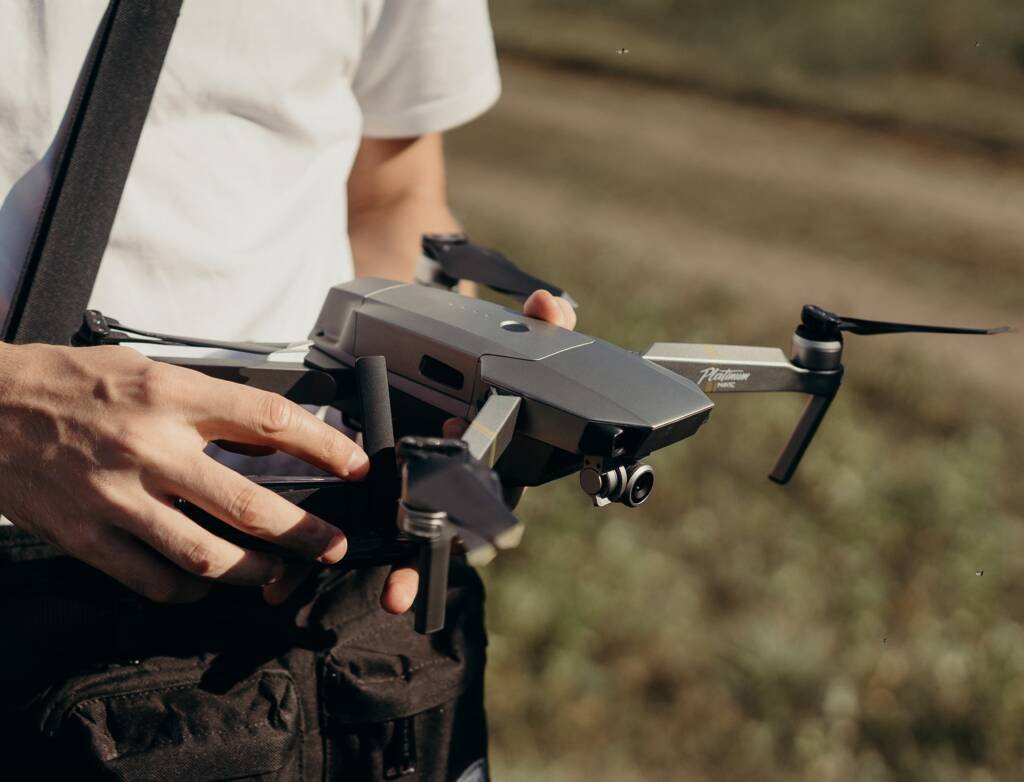
- Drones
Each movement should have a purpose.
Don’t move the camera simply because you can.
Learn Video Editing
A videographer’s work doesn’t finish when the camera stops recording.
Learn an editing application such as:
- Adobe Premiere Pro
- DaVinci Resolve
- Final Cut Pro
Learn:
- Cutting
- Transitions
- Colour correction
- Colour grading
- Audio mixing
- Titles
- Sound effects
- Music
- Story structure
Editing teaches you to shoot better because you’ll understand what footage you actually need.
Start With The Equipment You Can Afford
You don’t need a £10,000 camera to start. A good beginner setup could include: Camera + versatile lens + tripod + microphone + LED light
As your skills improve, you can add:
- Gimbal
- Additional lenses
- External monitor
- Wireless microphones
- Drone
- Professional lighting
- Audio recorder
Invest in equipment that solves a problem rather than equipment that simply looks impressive.
Build A Portfolio
Clients don’t hire you because you say you’re a videographer. They hire you because they can see what you can create. Create your own projects.
Film:
- Businesses
- Events
- Interviews
- Short films
- Products
- Music
- Social content
Build a portfolio that reflects the type of work you want to get paid for.
Learn To Work With Clients
Professional videography is also a business.
Learn how to:
- Quote projects
- Write proposals
- Create contracts
- Manage expectations
- Communicate clearly
- Plan productions
- Deliver projects
- Handle revisions
- Invoice clients
Your technical ability gets you noticed. Your professionalism gets you hired again.
Keep Practising
The fastest way to improve is to keep shooting. Every production teaches you something. Your first videos probably won’t look like your tenth.
Your tenth probably won’t look like your fiftieth.
That’s normal.
Keep filming.
Keep editing.
Keep studying.
Keep experimenting.
Final Thoughts
Becoming a professional videographer is a journey rather than something that happens overnight.
Master your camera.
Understand light.
Capture great audio.
Learn movement.
Tell better stories.
And most importantly, keep creating.
At Rabbit Wilcox Films, we believe great video comes from combining technical skill with creativity and storytelling.
Have a project you want to bring to life?
